SSO vs MFA - Key Differences Explained for Better Security
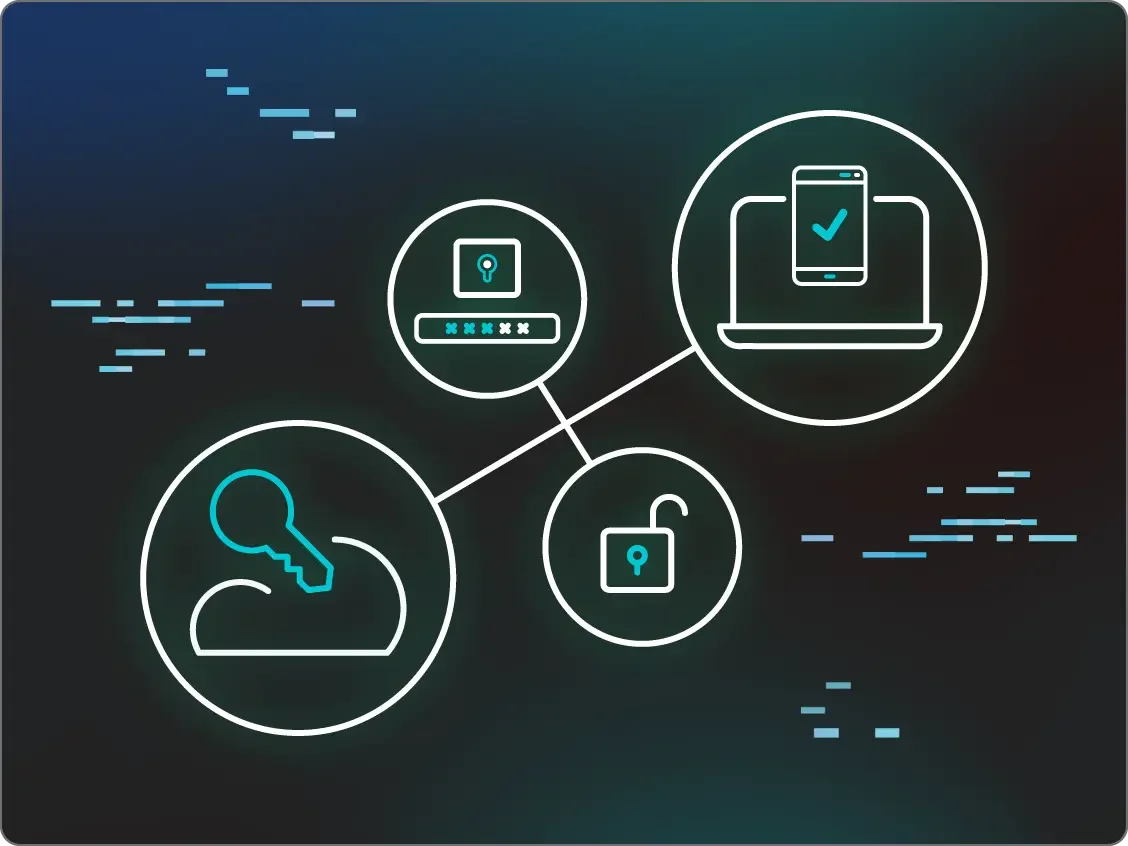
Basically, SSO simplifies logins while MFA adds extra security layers.
Discover the key differences between SSO and MFA. Both enhance security, but combining them offers the best protection. Learn how to implement them effectively!
What Happened
In the ever-evolving landscape of cybersecurity, traditional usernames and passwords are no longer sufficient. As cyber threats become more sophisticated, organizations are turning to advanced authentication methods like Single Sign-On (SSO) and Multi-Factor Authentication (MFA). These two approaches serve distinct yet complementary purposes, enhancing security while improving user experience.
SSO allows users to log in once and access multiple applications without entering credentials repeatedly. This convenience helps reduce login fatigue, making it easier for users to manage their accounts. On the other hand, MFA adds an essential layer of security by requiring users to provide two or more verification factors before granting access. This means that even if a password is compromised, unauthorized users cannot easily gain entry.
Key Differences
While SSO and MFA may seem similar, they address different challenges. SSO focuses on convenience, allowing seamless access to various applications with a single login. Conversely, MFA emphasizes security, requiring additional verification methods such as biometrics or security tokens. Here’s a quick comparison:
- SSO: Simplifies access, reduces login fatigue, and integrates multiple apps into one system.
- MFA: Enhances security, mitigates risks of unauthorized access, and requires multiple verification methods.
Combining both systems provides a balanced approach, streamlining the user experience while reinforcing security measures.
Why You Should Use Both
Implementing both SSO and MFA is not just advisable; it's essential for a robust cybersecurity strategy. By leveraging SSO, organizations can simplify user access, allowing employees to remember just one strong passphrase. This reduces the likelihood of password-related vulnerabilities. However, the risk remains that if an attacker gains access to this single credential, they could potentially infiltrate multiple accounts.
This is where MFA comes into play. By requiring additional verification, such as a fingerprint or a one-time code sent to a mobile device, MFA ensures that even if a password is compromised, unauthorized access is still thwarted. This dual-layered approach not only enhances security but also fosters a culture of security awareness among users.
Security Tips for Implementation
To effectively implement SSO and MFA, organizations should consider the following best practices:
- Choose a reliable SSO provider that integrates seamlessly with existing applications.
- Implement MFA across all critical services to maintain a consistent security posture.
- Educate users about the importance of protecting their MFA methods, like smartphones or security tokens.
- Regularly review and update security policies to adapt to evolving threats.
By adopting these strategies, organizations can significantly enhance their cybersecurity defenses, making it more challenging for attackers to exploit vulnerabilities. The combination of SSO and MFA is a powerful tool in the fight against cyber threats, ensuring both convenience and security for users.