Iranian Hackers - State Department Offers $10 Million Reward
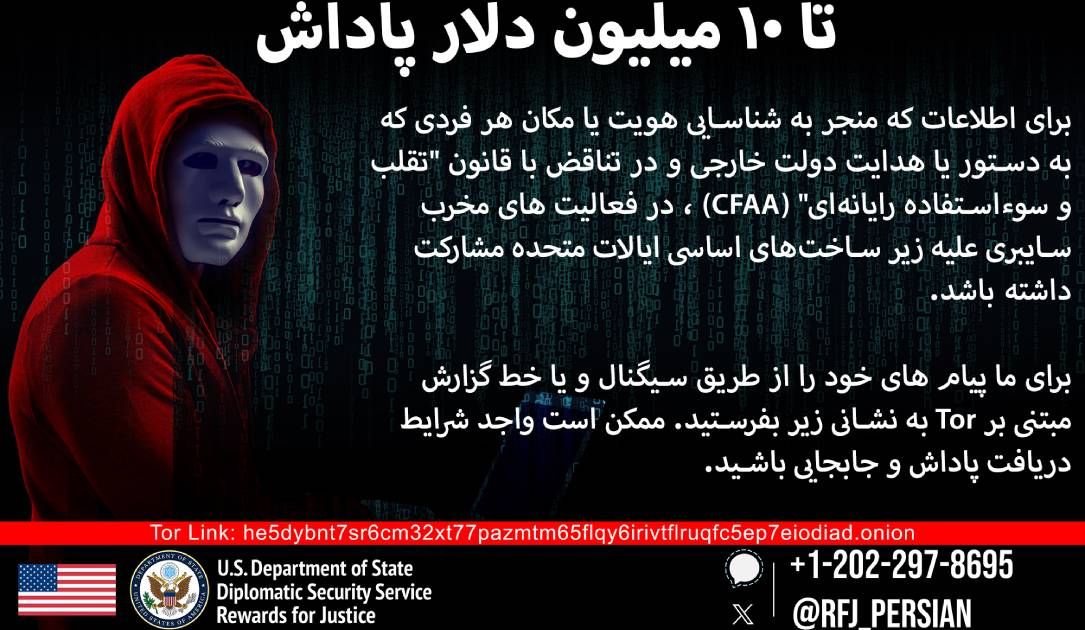
Basically, the U.S. is offering money to find hackers from Iran who accessed a government official's email.
The State Department has reissued a $10 million reward for information on Iranian hackers after a breach of a government official's email. This highlights the ongoing cyber threats posed by groups like Handala. Organizations are urged to enhance their cybersecurity measures to protect against these risks.
What Happened
The State Department has taken a significant step in addressing cyber threats from Iran. They have reissued a $10 million reward for information leading to the identification of hackers linked to the Iranian group Handala and other cyber actors. This announcement came just hours after the FBI confirmed that Iranian hackers had gained unauthorized access to the personal email account of Director Kash Patel. This breach is part of a larger pattern of cyberattacks targeting U.S. officials and companies.
The urgency of this reward underscores the seriousness of the threat posed by these hackers. Handala has been implicated in various cyberattacks, including a notable incident involving the medical device firm Stryker. The group is believed to operate under the auspices of Iran's Ministry of Intelligence and Security (MOIS), making their activities not just criminal but also state-sponsored.
Who's Affected
The ramifications of these cyberattacks extend beyond individual breaches. U.S. companies, especially those in critical sectors like healthcare and technology, are at risk. The recent breach of Kash Patel's email highlights how even high-ranking officials are vulnerable to these cyber threats. Additionally, the threats issued by Handala towards U.S. citizens and government entities indicate a broader campaign of intimidation and espionage.
Furthermore, the involvement of Parsian Afzar Rayan Borna, an Iranian IT company with ties to MOIS, raises concerns about the collaboration between state actors and private entities in Iran. This connection suggests that the threat landscape is more complex, involving both criminal and state-sponsored activities.
Tactics & Techniques
Handala has claimed responsibility for several high-profile cyberattacks, employing tactics that include phishing, data theft, and website defacement. They have been known to leverage social engineering techniques to gain access to sensitive information. The group's recent activities include issuing threats related to unverified cyberattacks, showcasing their willingness to engage in psychological warfare alongside their technical operations.
The FBI has actively targeted Handala's infrastructure, taking down their websites that hosted stolen information. However, the group's resilience and ongoing threats suggest that they continue to pose a significant risk to U.S. cybersecurity.
Defensive Measures
In light of these developments, organizations should bolster their cybersecurity measures. Here are some recommended actions:
- Enhance Email Security: Implement multi-factor authentication and regular security audits to protect sensitive accounts.
- Employee Training: Conduct regular training sessions on recognizing phishing attempts and other social engineering tactics.
- Incident Response Plan: Develop and regularly update an incident response plan to quickly address any breaches.
Staying informed about the latest threats and employing robust security practices are essential in safeguarding against the evolving tactics of groups like Handala. The State Department's reward serves as a reminder of the ongoing battle against cyber threats and the importance of collective vigilance.