Free VPNs Leak User Data - Privacy Risks Explained
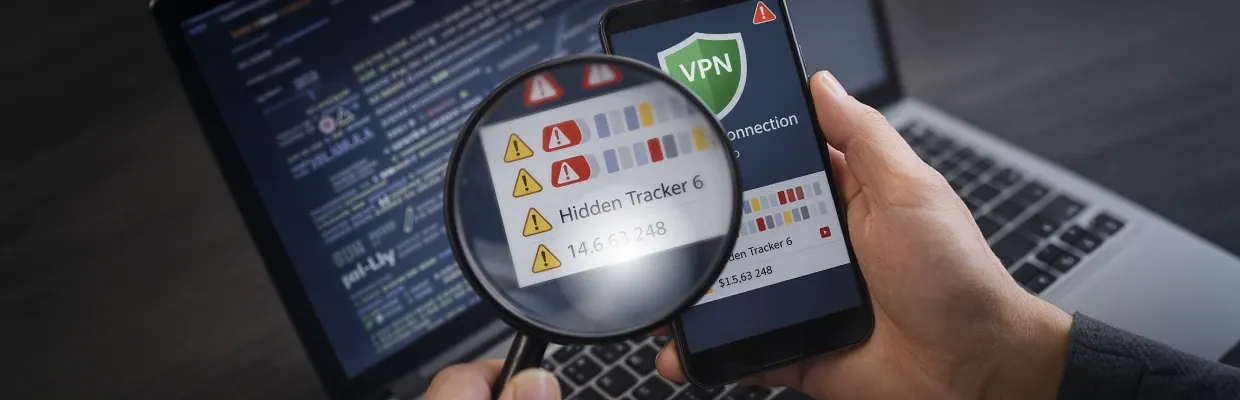
Basically, many free VPNs collect your data instead of protecting it.
A recent study reveals that many free VPNs on Android leak user data while claiming to protect privacy. Users are exposed to tracking and dangerous permissions. Choosing reputable VPN services is crucial for safeguarding digital privacy.
What Changed
Free VPN apps are among the most downloaded applications on Android devices, luring users with promises of privacy and security at no cost. However, a recent study by Mysterium VPN reveals a troubling reality: many of these apps track users, request dangerous permissions, and connect to risky servers. This exposes users to significant privacy risks, often without their knowledge.
The research analyzed 18 popular free VPN apps from the Google Play Store, uncovering alarming practices that compromise user privacy. Most users install these apps without considering the potential consequences. The findings indicate that while users seek to protect their data, they may inadvertently expose it to various third-party trackers and data collectors.
How This Affects Your Data
The study found that 17 out of 18 tested apps contained at least one tracker, with the average app harboring nearly five trackers. These trackers collect data for advertising and analytics, often from companies based in countries with lax privacy regulations. For instance, apps like Turbo VPN and VPN Proxy Master were found to connect to servers in China and Russia, raising concerns about how user data is handled and monitored.
Additionally, many of these apps request an excessive number of permissions. For example, FreeVPN asked for 21 permissions, including access to the camera, microphone, and precise location. Such permissions are not typically necessary for a VPN, leading to concerns that these apps function more like spyware than legitimate privacy tools.
Who's Responsible
The responsibility for user safety ultimately falls on the app developers and the platforms that host these applications. While the Google Play Store provides a vast selection of apps, it lacks stringent privacy standards. Users are often left to navigate the murky waters of app permissions and data collection practices on their own. The study emphasizes that most free VPNs are not primarily privacy tools; they are, in fact, data collection platforms disguised as security applications.
The report highlights the need for users to be vigilant. By reviewing permissions and auditing apps for trackers, individuals can better protect their data. Open-source and independently audited VPNs are recommended as safer alternatives, as they typically prioritize user privacy.
How to Protect Your Privacy
To safeguard your digital privacy, consider the following actions:
- Review app permissions: Always check what permissions an app requests before installation.
- Use tracking audit tools: Tools like Exodus Privacy can help identify trackers embedded in apps.
- Opt for reputable VPNs: Investing in a paid, well-reviewed VPN service can provide better protection and peace of mind.
In conclusion, while free VPNs may seem appealing, they often come with hidden costs. Users should approach these apps with caution, understanding that the promise of privacy may be just a facade. Instead of relying on free services, consider investing in a reputable VPN to ensure your data remains secure.