Regulation - Digital Freedom Under Siege Post-Arab Uprisings
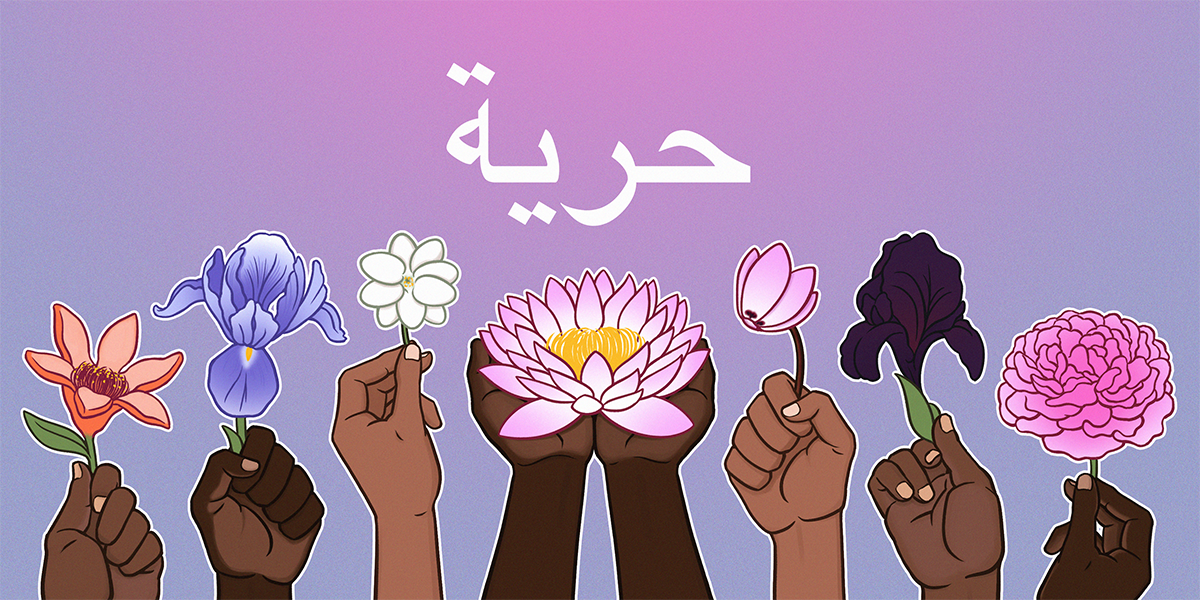
Basically, many countries are making laws that limit what people can say online.
Governments are tightening online controls, threatening digital freedom. From Russia to Nigeria, new laws are stifling free expression. This trend raises urgent concerns over censorship and human rights.
What Changed
The digital landscape has transformed dramatically since the 2011 Arab uprisings. Initially, social media platforms were viewed as tools for democracy, enabling voices to rise against oppression. However, governments quickly learned to adapt, implementing stricter controls. Today, 66% of internet users live in regions where political or social sites are blocked. This shift signifies a troubling trend towards censorship, where freedom of expression is increasingly under threat.
Countries like Russia, Nigeria, and Turkey have enacted stringent laws that regulate online speech. In Russia, wartime censorship has silenced dissenting voices, while Nigeria’s aggressive takedown orders have turned social media into a political battleground. Turkey’s sweeping “disinformation” laws have made platforms heavily policed spaces, illustrating how governments are leveraging legal frameworks to suppress free speech.
How This Affects Your Data
The implications of these regulations extend beyond mere speech limitations. They create an environment where individuals can face imprisonment for accessing or sharing content deemed harmful by authorities. For example, in Egypt, the Cybercrime Law allows the government to block websites that threaten national security, a term that can be broadly interpreted. This not only restricts access to information but also instills fear among users, discouraging them from expressing dissenting opinions online.
Moreover, the laws often target specific groups, particularly young people and women, who are disproportionately affected by these regulations. The case of belly dancer Sama Al Masry, sentenced to three years in prison for social media posts, highlights the dangers of vague legal definitions that can be weaponized against individuals.
Who's Responsible
Governments are not the only entities shaping this new digital reality. Social media platforms, once champions of free expression, have increasingly become instruments of state censorship. Under pressure from governments, these companies have expanded their compliance with takedown requests, often removing content before it even reaches the public eye. This shift reflects a broader trend where platforms prioritize compliance over user rights, leading to a systematic suppression of dissent.
As a result, rights groups have raised alarms about the impact of these dynamics on marginalized communities. Activists and journalists find themselves navigating a treacherous landscape where both state censorship and platform governance converge, leaving them vulnerable to repression.
What's Next
Looking ahead, the trajectory of online freedom appears bleak. With four out of five countries now having cybercrime legislation, the global pattern of repression is solidifying. As governments continue to refine their regulatory frameworks, the risk of further erosion of digital rights looms large. This situation calls for urgent action from civil society and international organizations to advocate for digital freedoms and challenge oppressive laws.
The ongoing struggle for online expression underscores the need for vigilance. As history has shown, the fight for freedom is not just about technology; it’s about the fundamental rights of individuals to express themselves without fear of retribution. The future of digital rights hangs in the balance, and it is imperative that we remain steadfast in our commitment to safeguarding these freedoms.