Threat Intel - Automotive Cybersecurity Risks Rising
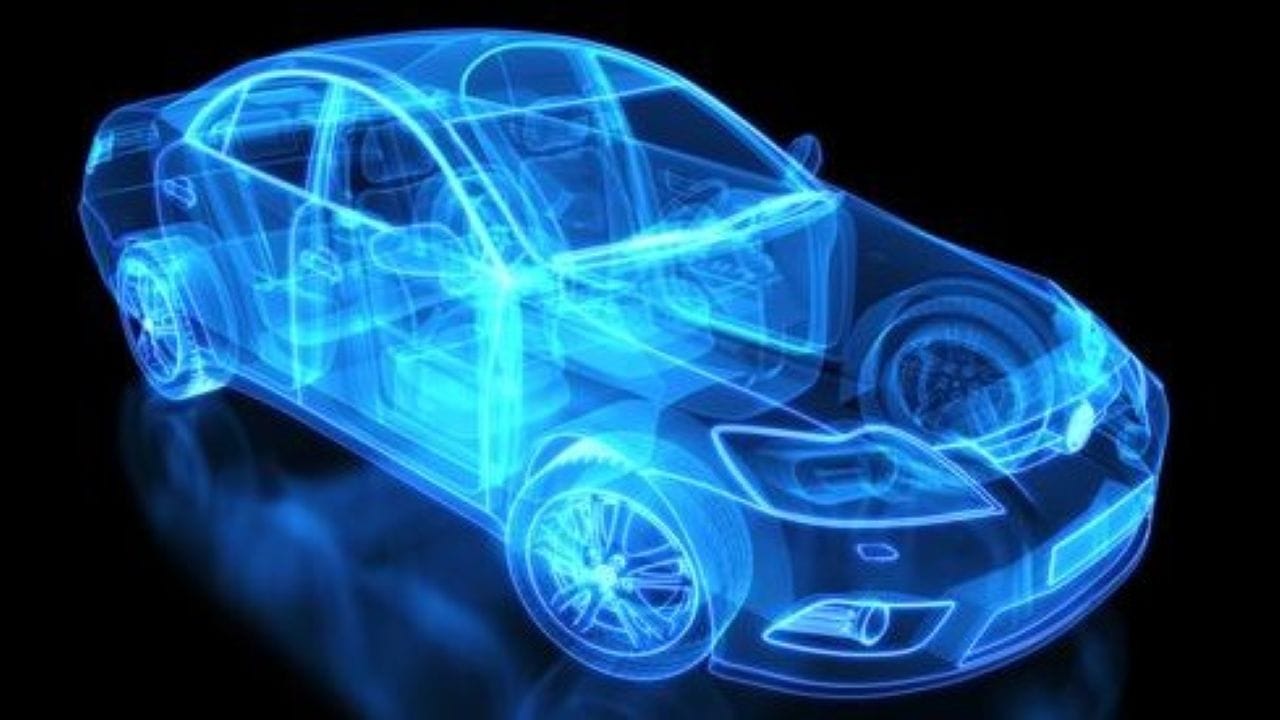
Basically, cars connected to the internet can be hacked, posing serious risks.
Cybersecurity threats in vehicles are on the rise as technology evolves. The infamous 2015 Jeep hack highlights vulnerabilities. Staying informed is crucial for safety.
The Threat
The rise of connected and autonomous vehicles has introduced new cybersecurity challenges. As vehicles become more integrated with technology, they also become more vulnerable to cyberattacks. The infamous 2015 Jeep hack serves as a stark reminder of the potential risks involved. Hackers can exploit vulnerabilities in vehicle software, leading to dangerous situations for drivers and passengers.
Security experts warn that as the automotive industry evolves, so do the tactics employed by cybercriminals. Attackers are increasingly targeting the communication systems within vehicles, which can be accessed remotely. This trend raises alarms about the safety of drivers and the integrity of vehicle operations.
Who's Behind It
Cybersecurity threats in the automotive sector often stem from organized crime groups and individual hackers. These actors are motivated by various factors, including financial gain and the thrill of exploiting sophisticated technology. The 2015 Jeep hack was executed by researchers demonstrating vulnerabilities, but it opened the door for malicious actors to replicate such attacks for nefarious purposes.
As vehicles become more connected, the potential for cyber espionage also increases. Nation-state actors may target automotive technologies to gain strategic advantages, making the automotive sector a new battleground for cybersecurity.
Tactics & Techniques
Cybercriminals employ various tactics to compromise vehicle systems. They may use methods such as man-in-the-middle attacks, where they intercept communications between the vehicle and external networks. Other techniques include exploiting unpatched software vulnerabilities and using social engineering to gain access to sensitive vehicle systems.
As vehicles become more autonomous, the complexity of their systems also increases. This complexity can lead to more potential entry points for attackers, making it crucial for manufacturers to prioritize cybersecurity in their development processes.
Defensive Measures
To combat these growing threats, the automotive industry must adopt robust cybersecurity measures. Manufacturers should implement regular software updates and vulnerability assessments to ensure vehicle systems remain secure. Additionally, educating consumers about the risks associated with connected vehicles is essential.
Collaboration between automakers, cybersecurity firms, and government agencies can also enhance overall security. By sharing information about threats and vulnerabilities, stakeholders can better protect consumers and maintain trust in the automotive industry.
In conclusion, as the automotive landscape evolves, so do the cybersecurity challenges. The lessons learned from past incidents like the 2015 Jeep hack should drive ongoing efforts to secure connected vehicles against emerging threats.