AI Security - JPMorgan Chase's Digital Twins Explained
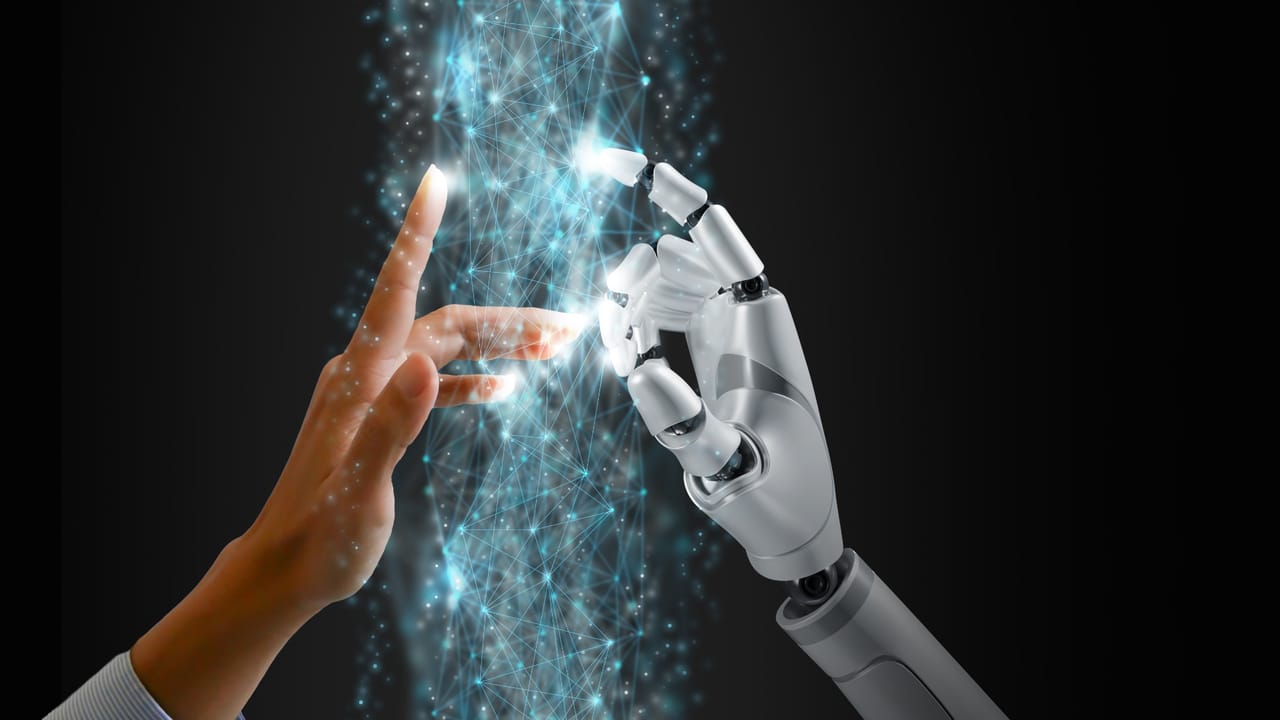
Basically, JPMorgan Chase uses AI to create digital versions of threats to find and stop attackers.
JPMorgan Chase is using AI digital twins to enhance its threat hunting. This innovative approach helps identify online attackers while reducing false alerts. As cyber threats grow, this technology could reshape security in banking.
The Development
JPMorgan Chase is at the forefront of cybersecurity innovation. They have implemented AI digital twins to enhance their threat hunting capabilities. These digital twins act as virtual representations of potential threats, allowing the bank to simulate and analyze various attack scenarios. This proactive approach helps in identifying malicious behaviors before they can cause harm.
The use of digital fingerprints further strengthens their defense. By analyzing patterns of behavior, the bank can distinguish between legitimate activities and potential threats. This technology not only improves detection rates but also minimizes the number of false alerts that can overwhelm security teams.
Security Implications
The implications of using AI digital twins in cybersecurity are significant. By creating a virtual model of potential threats, JPMorgan Chase can better understand how attackers operate. This knowledge allows them to develop more effective countermeasures.
Moreover, reducing false alerts is crucial. Security teams often face alert fatigue, where constant notifications can lead to important threats being overlooked. By leveraging AI, the bank can focus on genuine threats, enhancing overall security posture.
Industry Impact
JPMorgan Chase's approach could set a precedent for other financial institutions. As cyber threats continue to evolve, the adoption of AI technologies like digital twins may become standard practice. This shift could lead to a more resilient banking sector, capable of adapting to new challenges in real-time.
The financial industry is under constant attack, making innovative solutions essential. By investing in AI-driven threat hunting, JPMorgan Chase not only protects its assets but also sets an example for others to follow.
What to Watch
As AI technologies advance, it's essential to monitor their impact on cybersecurity. The effectiveness of digital twins in threat hunting will likely influence future developments in the field. Other organizations may start to explore similar technologies to enhance their defenses.
Additionally, the balance between automation and human oversight will be crucial. While AI can significantly improve detection rates, human intuition and experience remain invaluable in interpreting complex threat landscapes. Keeping this balance will be key to successful cybersecurity strategies moving forward.